


JCB
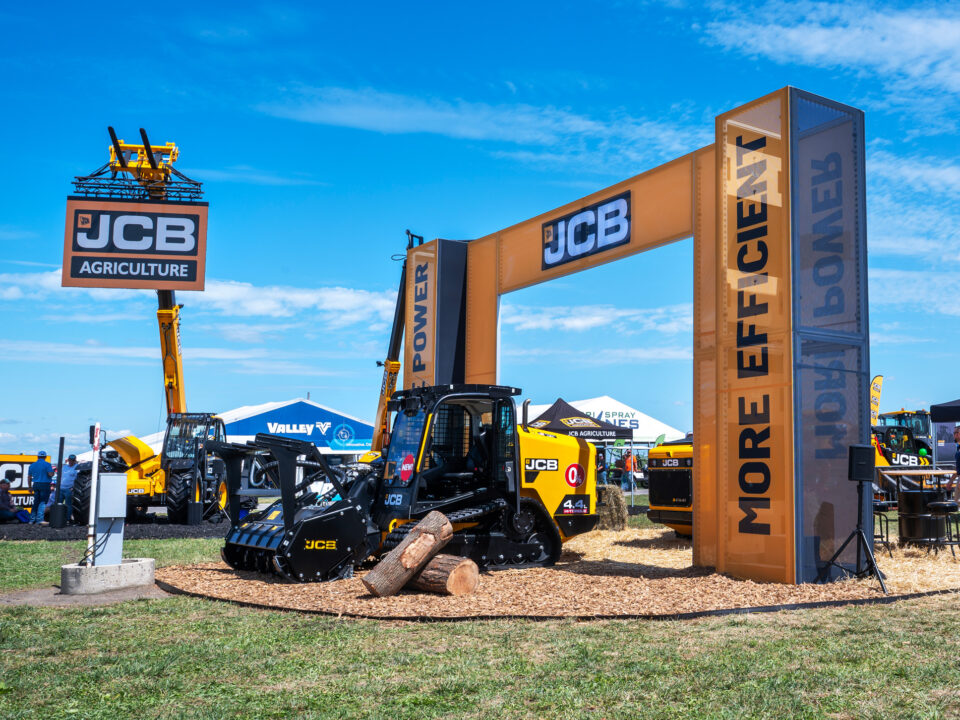
JCB transformed a massive outdoor footprint into a live demo experience that highlighted innovation, power, and performance.

Create meaningful connections through experiential marketing and brand activations designed to attract attention, encourage participation and move audiences to action.
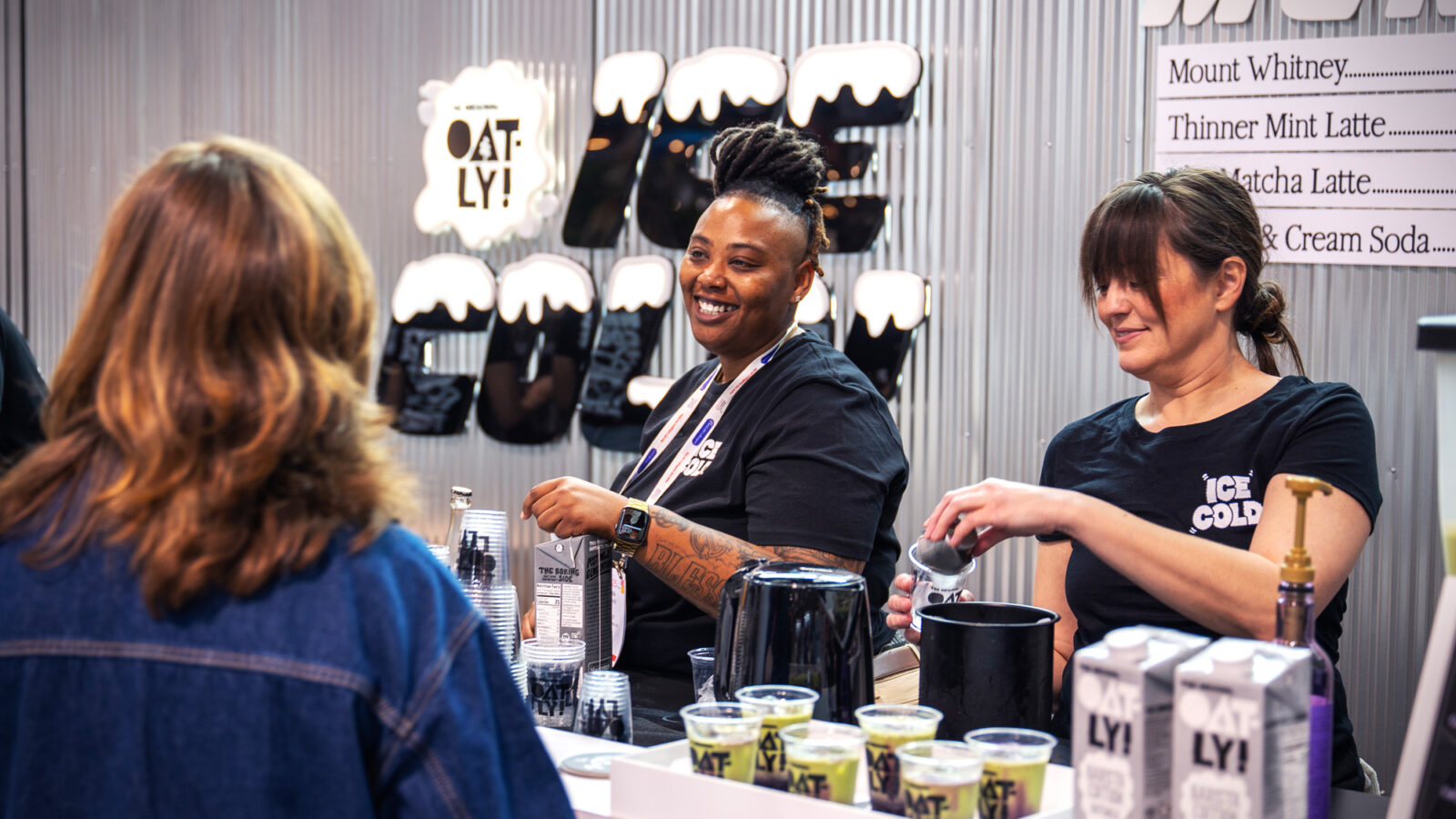
Brand activations are physical environments and experiences designed to bring a brand to life and create meaningful interaction with an audience. Unlike traditional marketing that communicates to an audience, brand activations invite people to experience, interact with or participate in the brand. That interaction can take many forms – from hands-on product demonstrations and immersive environments to live events and interactive technology.
STAR creates experiential brand activations around your audience and business goals. Whether you’re launching a product, building awareness, generating leads, educating customers or strengthening brand affinity, we connect strategy, creative, production and execution to create an experience designed to make an impact.
Experiential marketing can take many physical forms. From temporary pop-ups and mobile tours to trade show exhibits and permanent brand environments, the right setting depends on your audience, objectives, and the experience you want to create.
| Experiential environment | Brand activation examples |
|---|---|
| Pop-ups & brand experiences | Pop-up shops, temporary branded environments, immersive installations and product experiences |
| Mobile & touring experiences | Mobile marketing tours, branded vehicles, trailers, roadshow environments and mobile stages |
| Events, festivals & sponsorships | Fan zones, hospitality areas, lounges, VIP experiences, sponsor environments, stages and pavilions |
| Retail & in-store experiences | Shop-in-shop environments, kiosks, product experience areas, branded displays and fixtures |
| Corporate & permanent environments | Visitor centers, innovation centers, showrooms, museums and corporate experience centers |
| Trade shows & exhibitions | Custom exhibits, modular and rental exhibits, pavilions, demonstration areas and sponsorship environments |
The most effective brand activation ideas aren’t chosen because they’re trendy. They’re selected because they give the audience a meaningful reason to participate. Depending on your objectives, audience and environment, an experiential marketing program might include:
STAR helps determine which tactics support the larger experience and goals, rather than adding interaction simply for interaction’s sake. For more ideas, check out our Brand Activation Playbook: Strategies to stand out & spark engagement

We begin with strategy & planning to identify, the audience, what we want them to know, feel or do, and how the activation needs to support your larger marketing and business objectives. Those details establish the foundation for the experience and how success should be measured.
Our custom exhibit design team translates your objectives and brand into an activation concept. We consider the environment, audience journey, storytelling, interaction and technology needed to make the experience intuitive, relevant and memorable.
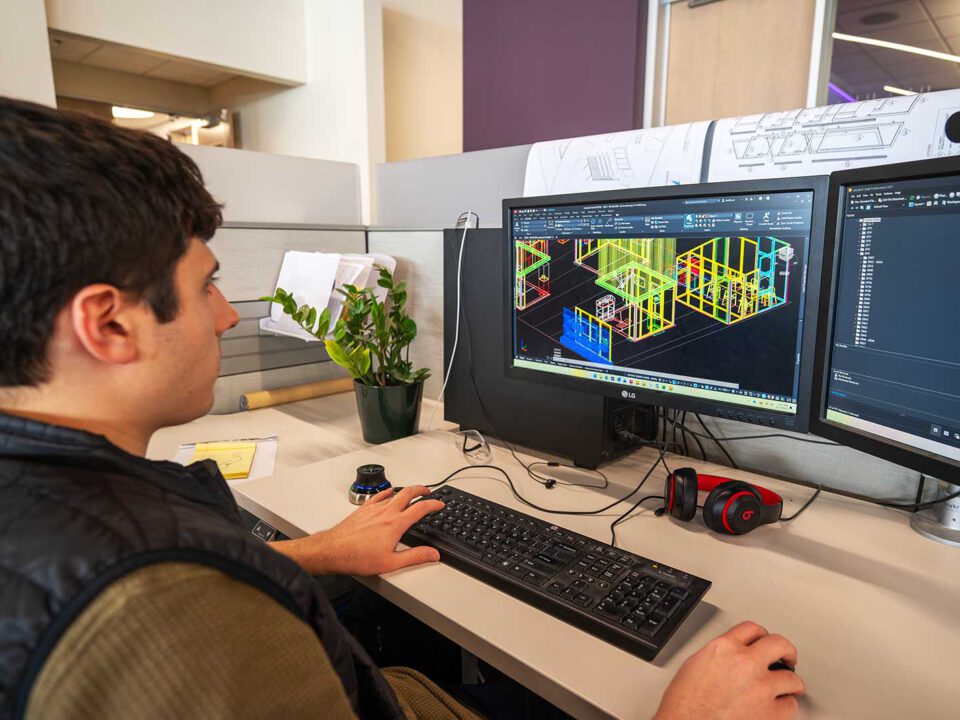
Once the concept takes shape, designers and engineers work together to turn the creative vision into a buildable solution, considering materials, technology, structural requirements, durability, installation and reuse.
STAR’s exhibit fabrication capabilities bring physical environments and interactive elements together while helping maintain creative intent, quality and consistency throughout production.
Our logistics and operations teams coordinate transportation, installation, show services, on-site management and other operational details required to bring the activation to life.
When ROI measurement is part of the strategy, STAR can help evaluate engagement and audience behavior to understand what’s working and identify opportunities to improve future experiences.
From hands-on demonstrations to mobile experiences and data-informed exhibits, STAR helps brands create different kinds of engagement around different business objectives.
JCB transformed a massive outdoor footprint into a live demo experience that highlighted innovation, power, and performance.
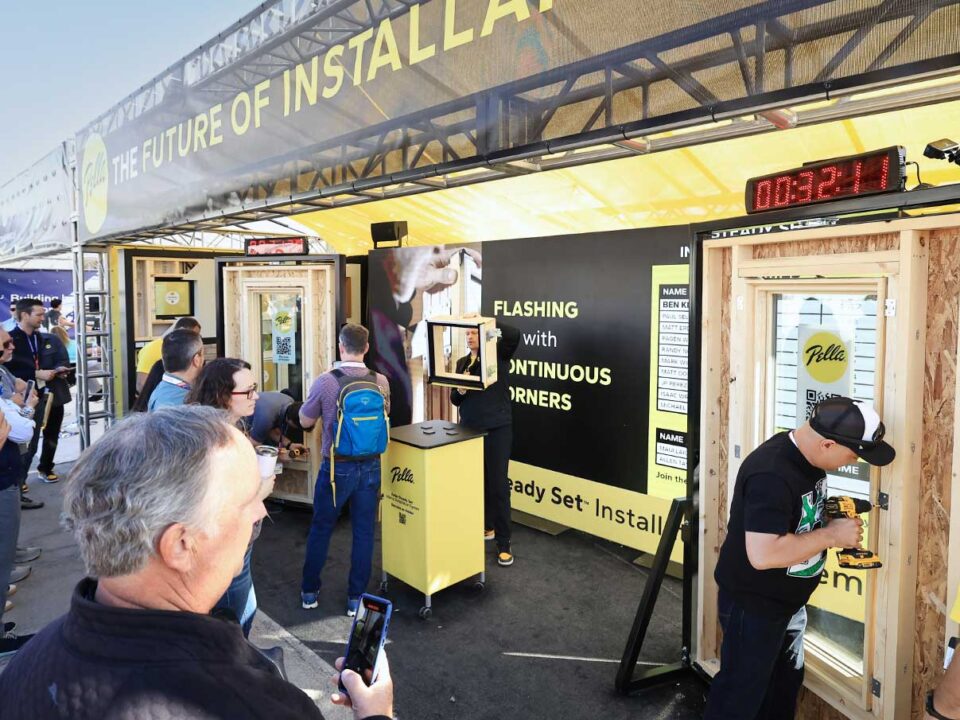
From product launch to industry buzz, see how Pella’s innovative event strategy tripled lead generation and clinched the Best of IBS Award.
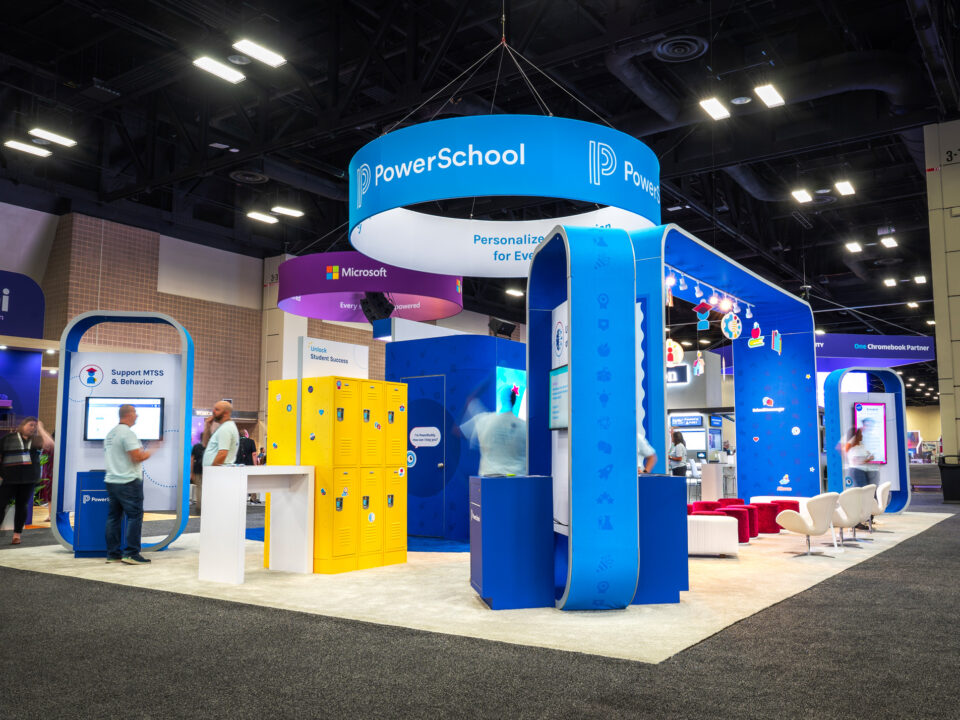
A bold, interactive rental exhibit that blended storytelling, engagement, and reusability for PowerSchool’s year-long event strategy.
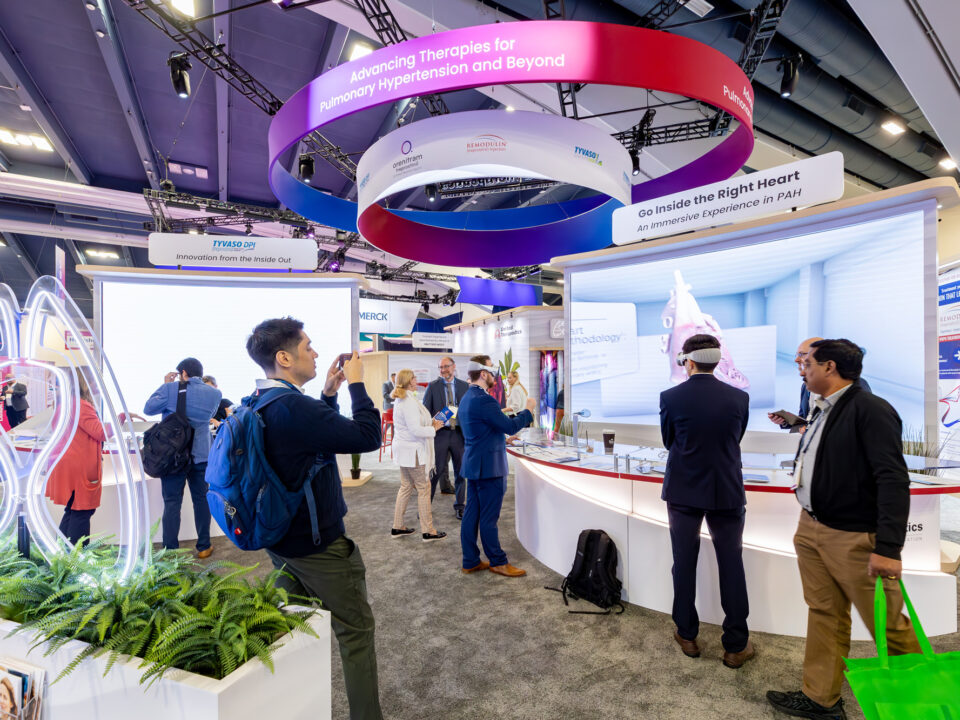
A custom exhibit paired immersive VR technology with bold architectural storytelling to bring United Therapeutics' pulmonary hypertension therapies to life on the show floor.
The strength of an activation isn’t just the idea. It’s the ability to carry that idea from strategy through execution without losing sight of the audience, brand or business objective.
Go deeper with practical resources for planning experiential brand activations.
Have a question or planning an upcoming event? Connect with our team to discuss your exhibit, event, or branded environment needs
We respond within 1 business day.
"*" indicates required fields

A brand activation is a physical or experiential environment designed to bring a brand to life through direct audience interaction. Unlike traditional advertising that primarily communicates a message, brand activations invite people to experience, interact with, participate in or respond to the brand. Examples include product demonstrations, immersive environments, pop-ups, sponsorship activations, mobile experiences and interactive exhibits.
Experiential marketing is the broader strategy of creating experiences that connect audiences with a brand. A brand activation is a physical environment or experience that brings that strategy to life by encouraging people to interact, participate or take action. Brand activations can take place at trade shows, product launches, pop-ups, sporting events, mobile tours, retail environments and other live experiences.
Successful brand activations connect a clear business objective with a specific audience and a compelling reason to participate. The strongest programs align strategy, creative, environment, interaction and execution, and establish meaningful measures of success before the experience is built.
Start with the audience and objective rather than the tactic. Consider what you want people to know, feel or do after the experience, then choose the interaction (such as a demonstration, game, educational experience, sampling program or technology) that best supports that outcome.
Look for a partner that can connect strategy and creative thinking with the practical requirements of production and execution. For complex or high-budget activations, evaluate capabilities across strategy, design, engineering, fabrication, technology, project management, logistics, installation and on-site support. Also consider whether the partner has experience executing programs at your required scale and locations.
Measurement should reflect the purpose of the activation. Depending on the objective, metrics may include attendance, interactions, dwell time, product trials, content engagement, leads, meetings, sales activity, social engagement or other business outcomes. Establishing those measures during planning makes it easier to design the experience around the behaviors that matter.