


Trade show ROI measurement & optimization
Go beyond lead counts to understand how your exhibit performs. STAR helps connect brand awareness, attendee behavior, engagement, sales activity and business outcomes to uncover what’s working and improve what comes next.
What is trade show ROI measurement
Trade show ROI measurement evaluates how an event performs against the business objectives established for it. Depending on those goals, measurement may include attendee engagement, sales activity and business impact – from booth traffic and dwell time to qualified leads, opportunities, pipeline and revenue influenced.
Not every event objective can or should be reduced to a single ROI calculation. The right approach starts by defining what success looks like, then identifying the metrics and data sources that can provide the clearest picture of performance.
Trade show measurement and analytics capabilities
- ROI and KPI planning
- Booth traffic measurement
- Heat mapping and visitor flow
- Dwell-time analysis
- Camera-based analytics
- Engagement measurement
- Post-show performance analysis
- Optimization recommendations
What should you measure to understand trade show ROI?
Effective trade show measurement takes a full-funnel view across four connected layers: brand awareness, audience engagement, sales activity and business impact. Together, these layers connect physical and digital signals to help marketers understand how an event builds awareness, drives engagement and sales activity, and ultimately contributes to business outcomes.
| Measurement layer | Critical metrics |
|---|---|
| Branding + awareness | Impressions/reach Social engagement Website traffic Content engagement Media/PR activity |
| Audience engagement | Booth traffic Dwell time Visitor flow Experience participation Content interactions |
| Sales activity | Qualified leads Sales meetings Demo requests Opportunities advanced Follow-up conversations |
| Business impact | Pipeline influenced Revenue influenced Customer expansion Product adoption Market penetration |
How can you measure exhibit and event effectiveness?
Depending on the event and measurement objectives, STAR can help bring together multiple technologies and data sources to understand how attendees interact with an experience. The value comes from connecting these data points, not relying on any one of them in isolation.

Physical + behavioral analytics
Use traffic, heat mapping, dwell time, visitor flow and camera-based analytics to understand how attendees move through and engage with the physical experience.

Digital engagement
Consider content interactions, QR engagement, digital campaigns, social engagement and other digital activity to add context to what happens in the booth.

Lead + sales activity
Connect attendee behavior with lead capture, meetings, opportunities and other sales activity to understand whether engagement is translating into meaningful business conversations.

Business outcomes + feedback
Look at pipeline, revenue and other relevant business outcomes alongside surveys and qualitative feedback to develop a more complete picture of performance.
How does STAR approach trade show measurement and optimization?
1. Define what success means
Start with business objectives and determine which engagement, sales and business-impact metrics will best indicate success.
2. Capture the right data
Identify the appropriate combination of measurement tools and data sources, from traffic and behavioral analytics to lead capture, sales activity and feedback.
3. Connect the data
Look across multiple data sources to identify patterns and better understand what happened, why it happened, and how different activities contributed to results.
4. Apply what we learn
Translate findings into practical recommendations for exhibit design, engagement, staffing, event strategy and future investment.
How does event measurement improve future trade shows?
Measurement becomes valuable when insight changes what you do next. STAR helps clients interpret event performance and identify opportunities to improve future experiences, including:
- Exhibit layout: Where did attendees go, and where didn’t they?
- Engagement strategy: Which experiences generated meaningful interaction?
- Content: What messaging or product areas held attention?
- Staffing: Were people positioned where attendee activity was highest?
- Sales strategy: Did engagement lead to qualified conversations and opportunities?
- Event investment: Which shows, experiences, and tactics deserve greater (or lower) investment?
- Future design: What should we retain, change, test, or eliminate next time?

How does measurement connect to your event program?
STAR connects insights from event performance back to the decisions that shape future programs, helping teams refine strategy, experiences and investments over time.

Align business goals, audiences, event priorities, budgets and measures of success before execution begins.
Turn your brand and goals into audience-first experiences through collaborative custom exhibit design services.
Bring creative concepts to life through custom fabrication, rental integration, graphics and quality control.

Why partner with STAR for trade show measurement and optimization?
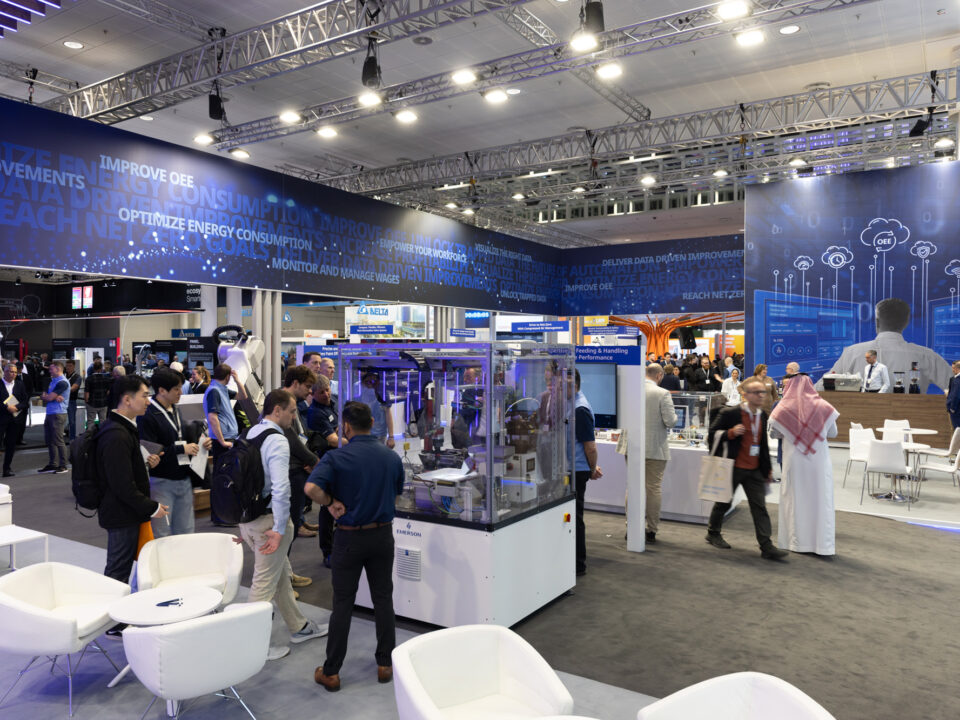
Full-funnel view of performance
STAR looks beyond any single metric, bringing physical engagement signals together with available digital, sales and business data to build a more complete picture of how an event performs.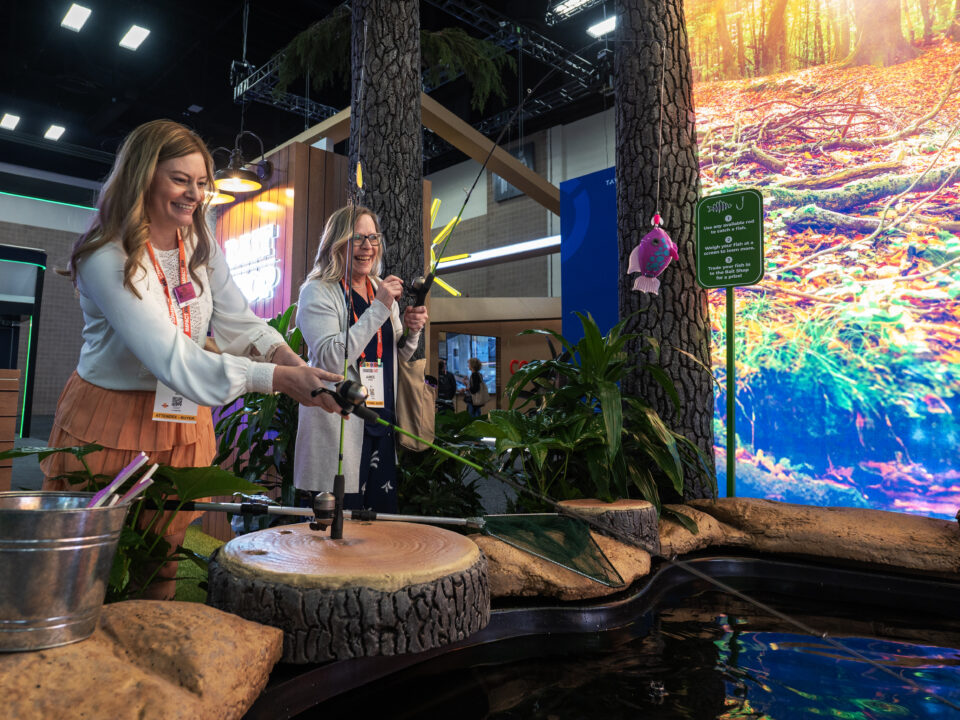
Measurement connected to the experience
Because STAR understands strategy, design, fabrication and execution (not just analytics), we can interpret event data in the context of the experience that produced it.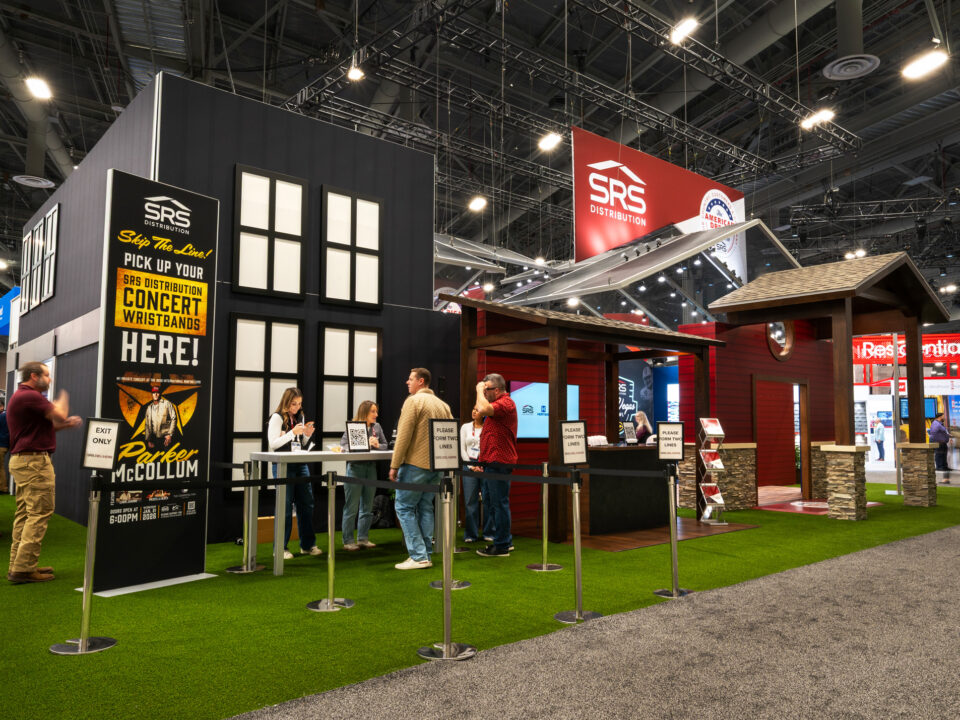
Insights you can act on
Reporting is only useful if it leads to better decisions. STAR turns event findings into practical recommendations that can improve future experiences and investments.How Emerson used trade show analytics to improve performance
STAR’s heat mapping helped Emerson understand traffic, dwell time, and engagement across its exhibit, revealing opportunities to optimize demos, staffing, and future booth strategy. The results contributed to a 40%+ increase in sales leads and more than doubled the average time engaged visitors spent at the stand.


Want to learn more about measuring trade show success?
Explore practical guidance for setting event goals, choosing meaningful KPIs, and using insights to improve future events.
Your one-stop shop for experiential marketing
STAR creates striking spaces for exhibits, events, retail, and corporate interiors that attract attention, build your brand, and grow your business.
Event Marketing
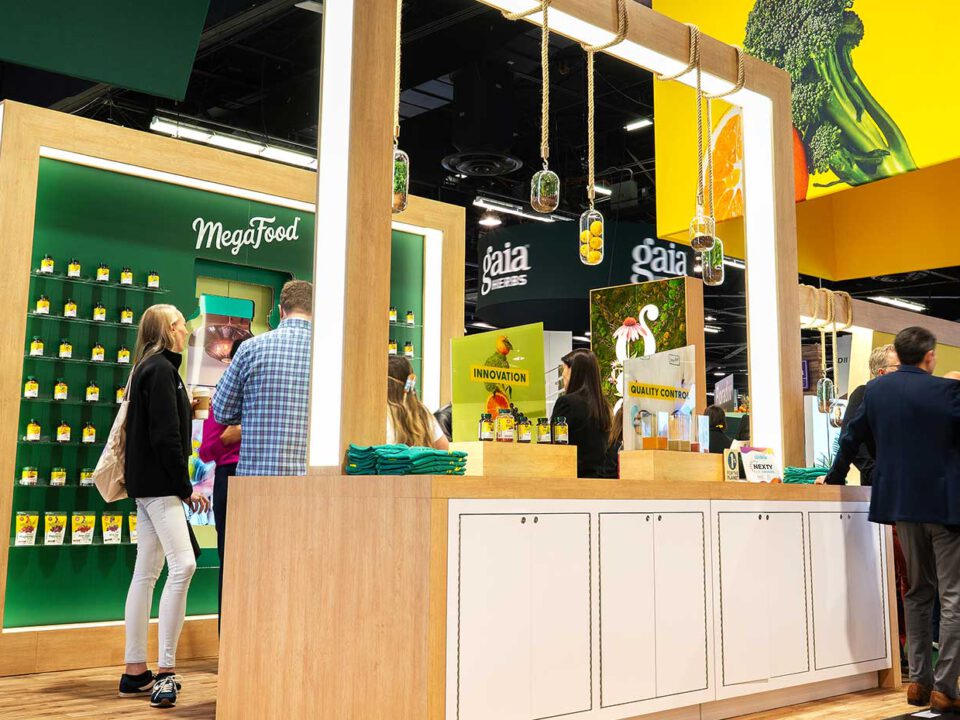
Event Marketing – Bring your brand to life through product launches, sponsorship activations, conferences and other live experiences using creative design, interactive technology and audience engagement.
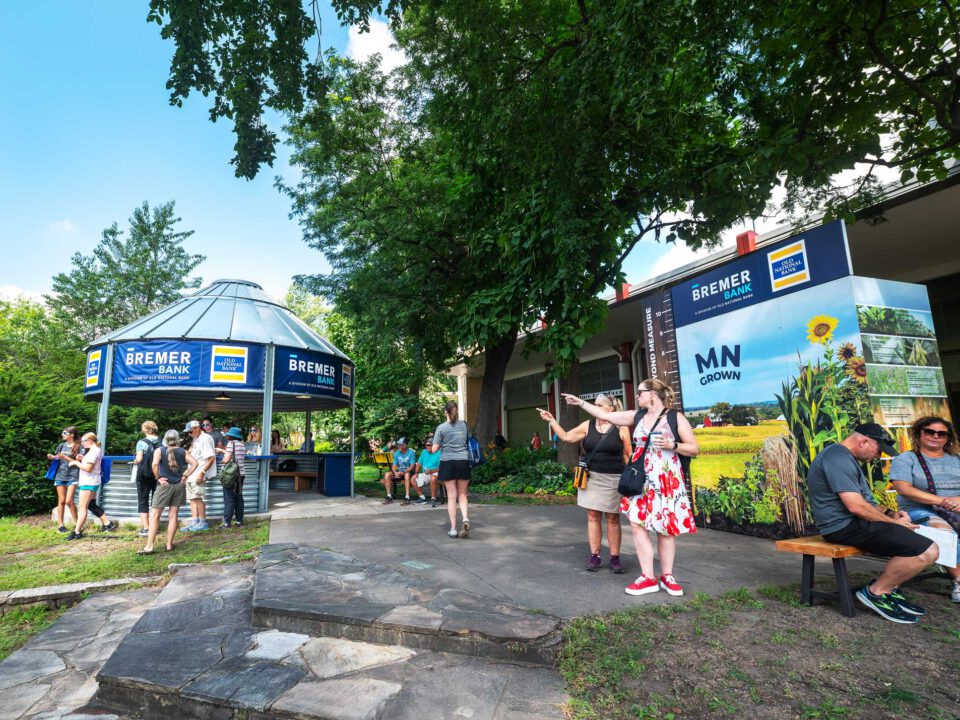
Custom Trade Show Exhibits
Create custom trade show exhibits and booths that attract attention, encourage interaction and create opportunities to connect with audiences.
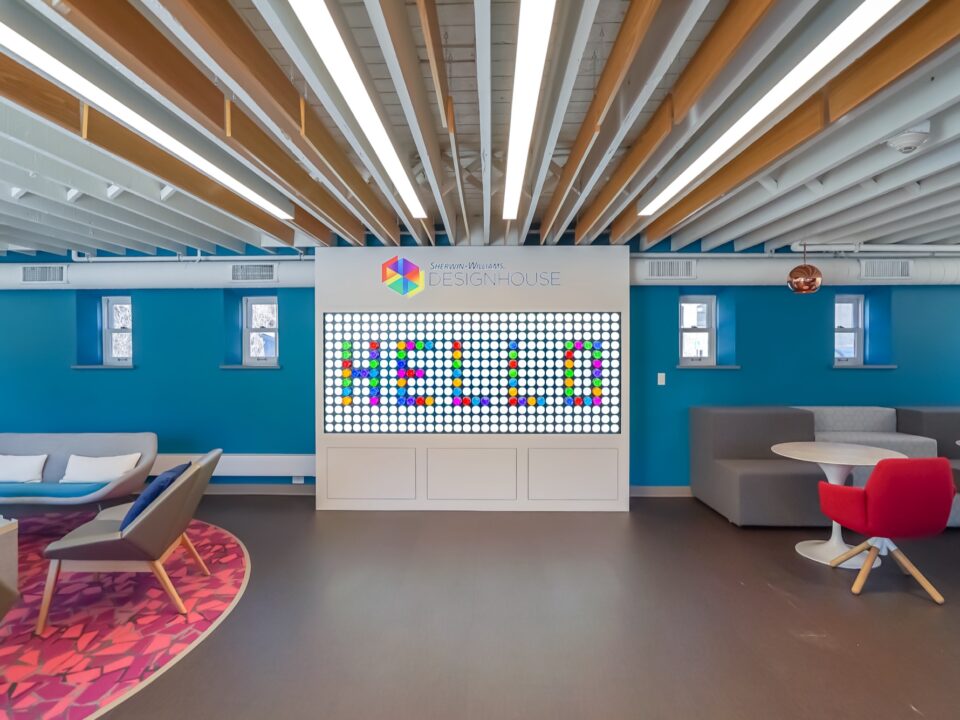
Corporate Interiors
Turn lobbies, showrooms, experience centers and other corporate environments into spaces that communicate your brand, culture and story.
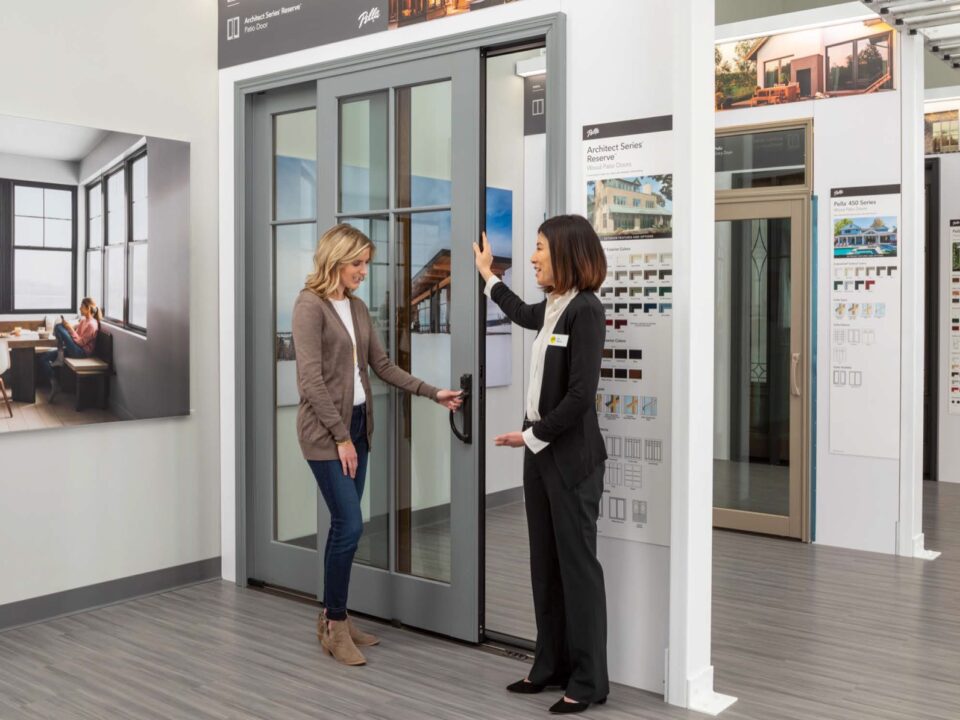
Retail Stores
Create branded retail spaces, pop-ups and fixtures that connect with customers and make products more engaging in the physical environment.
Contact STAR Exhibits
Have a question or planning an upcoming event? Connect with our team to discuss your exhibit, event, or branded environment needs
We respond within 1 business day.
Email us
Call
"*" indicates required fields
Trade show measurement and ROI FAQs

Trade show ROI should be evaluated across multiple layers of performance, including engagement metrics, sales activity metrics, and business impact metrics. Looking at these measures together provides a more complete picture of how events contribute to business results.
Trade show metrics generally fall into three categories: audience engagement, sales activity and business impact. Engagement metrics can include booth traffic, dwell time, visitor flow and experience participation. Sales metrics may include qualified leads, meetings and opportunities, while business-impact measures can include pipeline, revenue, customer expansion or product adoption.
Attendee engagement can be measured through data such as booth traffic, dwell time, visitor flow, experience participation, content interactions, lead capture and attendee feedback. Technologies such as sensor-based heat mapping and camera-based analytics can add behavioral insights about how visitors interact with an exhibit.
Trade show heat mapping uses visitor activity data to visualize how attendees move through and spend time within an exhibit. It can help identify high-traffic and high-engagement areas, visitor pathways and portions of the exhibit that receive less attention.
Trade show analytics can reveal which exhibit areas attract attention, which experiences generate engagement, how attendees move through the space and whether those interactions contribute to sales activity. Those findings can inform future decisions about exhibit layout, content, engagement strategy, staffing and event investment.