
Custom trade show exhibit fabrication is the process of taking an approved exhibit design and turning it into a physical environment that performs in the realities of the show floor. At STAR, that means bringing creative, production engineering, fabrication, graphics production, warehouse and onsite execution teams together to ensure the finished exhibit delivers on the design intent, can be installed efficiently and is built to perform across its intended lifecycle.
That takes more than simply building what appears in a rendering. Materials, construction methods, structural requirements, graphics and technology integration, shipping, installation, repeated use and future adaptability all need to be considered throughout the process.
Just as important is how the work moves from one team to the next. Clear handoffs, accurate information, defined ownership and disciplined execution are critical because decisions made upstream directly affect the teams and processes downstream.
What you’ll learn
In this article, I’ll explain how a custom trade show exhibit moves from an approved design through production engineering, fabrication, quality control and preparation for the show floor, including:
- What trade show exhibit fabrication includes
- How the fabrication process works
- How production engineering, materials and construction methods affect performance and cost
- Why handoffs, quality control and preassembly matter
- How logistics and installation should influence fabrication decisions
- What to look for in an exhibit fabrication partner
What is trade show exhibit fabrication?
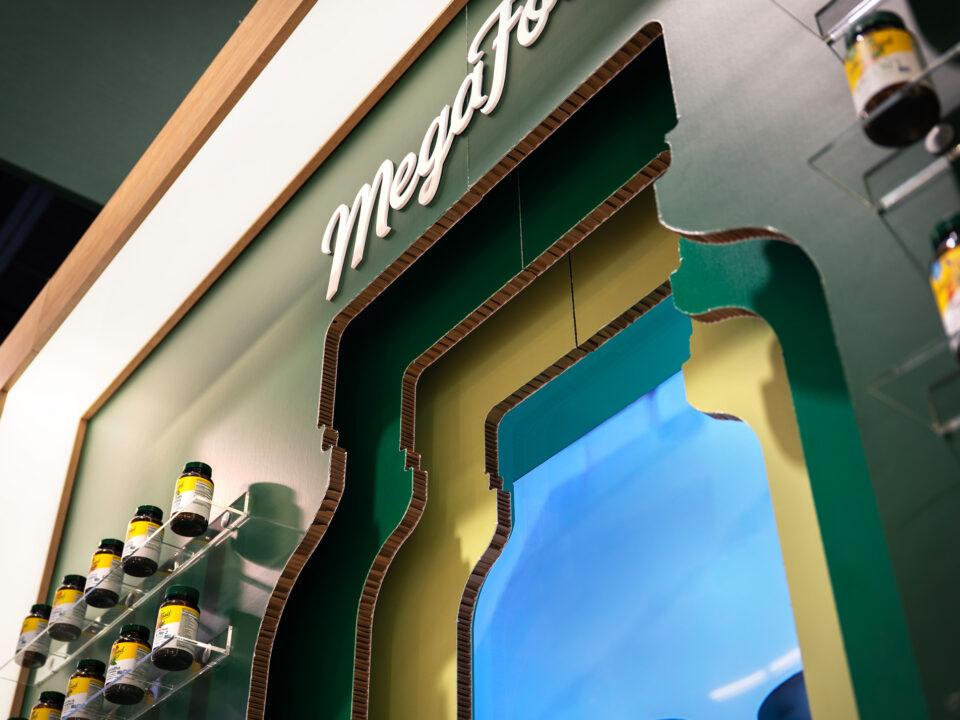
Trade show exhibit fabrication is the process of turning an approved exhibit design into the physical structures, graphics and components that make up the finished trade show environment. Depending on the exhibit, that may involve woodworking, CNC machining, metalworking, graphics production, specialty finishes, lighting and technology integration, product displays, interactive elements and custom architectural components.
But fabrication doesn’t begin when the first piece of material is cut. Production engineers first translate the creative concept into a complete, buildable solution. That means determining how components will be constructed, connected, assembled, transported, installed and maintained while protecting the approved design intent.
A rendering establishes the creative vision. Production engineering determines how to make that vision work in the real world. Fabrication brings it to life. Keeping those disciplines connected, and creating clear handoffs between them, is critical to delivering what was promised.
What does an exhibit fabricator do?
An exhibit fabricator provides the expertise, processes and production capabilities required to turn an approved design into a physical exhibit. Depending on the company, those capabilities may include:
- Production engineering and production drawings
- Custom woodworking and CNC machining
- Metal fabrication
- Graphics production and printing
- Paint and specialty finishes
- Lighting, AV and technology integration
- Interactive and product display fabrication
- Assembly, preassembly and testing
- Quality control
- Crating and packing
- Warehousing and inventory management
- Transportation and logistics
- Installation and dismantle support
- Onsite supervision and service
Capabilities vary significantly among exhibit companies. Some firms outsource much of the process, while full-service exhibit fabricators like STAR maintain many of these capabilities in-house. What matters most isn’t simply whether capabilities are in-house. It’s whether the people, processes and systems responsible for creative, production engineering, production, graphics, warehousing and onsite execution work together effectively.
How does the trade show exhibit fabrication process work?
Every custom exhibit is different, but successful fabrication follows a coordinated process that moves an approved design through production engineering, production, quality control and preparation for the show floor. At STAR, that process can generally be viewed in six stages.
- Design + production engineering alignment
Creative and Production Engineering review the approved concept, design intent, functionality, materials, budget, timeline and known venue or installation requirements before detailed production engineering begins. A concept can look great in a rendering, but identifying potential issues with structure, weight, assembly, technology, shipping or materials early allows the team to resolve them before they become expensive production changes or, worse, problems discovered onsite. The quality of the handoff matters – when information is incomplete or decisions continue changing downstream, it can affect sourcing, fabrication, graphics, preassembly, warehouse preparation, shipping, and ultimately installation. - Production engineering + documentation
Production Engineering translates the approved creative design into a complete, buildable solution. That includes defining construction methods, materials, components, dimensions, tolerances, connections, structural requirements, and other technical details needed to manufacture and assemble the exhibit. Depending on the project, Production Engineering may also develop or support:- Production and assembly documentation
– Bills of materials
– CNC and fabrication information
– Graphic and technology integration requirements
– Installation and setup requirements
– Material and component specifications
– Work direction for production
When technical changes are required, Creative, Production Engineering, and Production work together to solve them while protecting the approved design intent. - Material Selection and Sourcing
Trade show exhibits can incorporate wood, metals, laminates, fabrics, acrylic, glass, flooring, graphic substrates, hardware, lighting, electronics and specialty finishes. Choosing among them isn’t simply an aesthetic decision. Materials affect appearance, durability, weight, construction methods, installation labor, transportation, drayage, reusability, repairability and cost. The right answer isn’t necessarily the least expensive material or the most expensive one. It’s the material that delivers the required performance for how the exhibit will actually be used. Material availability also matters. Long lead times or unavailable components can affect the entire downstream schedule, which is another reason sourcing and production engineering need to remain closely connected. - Physical production
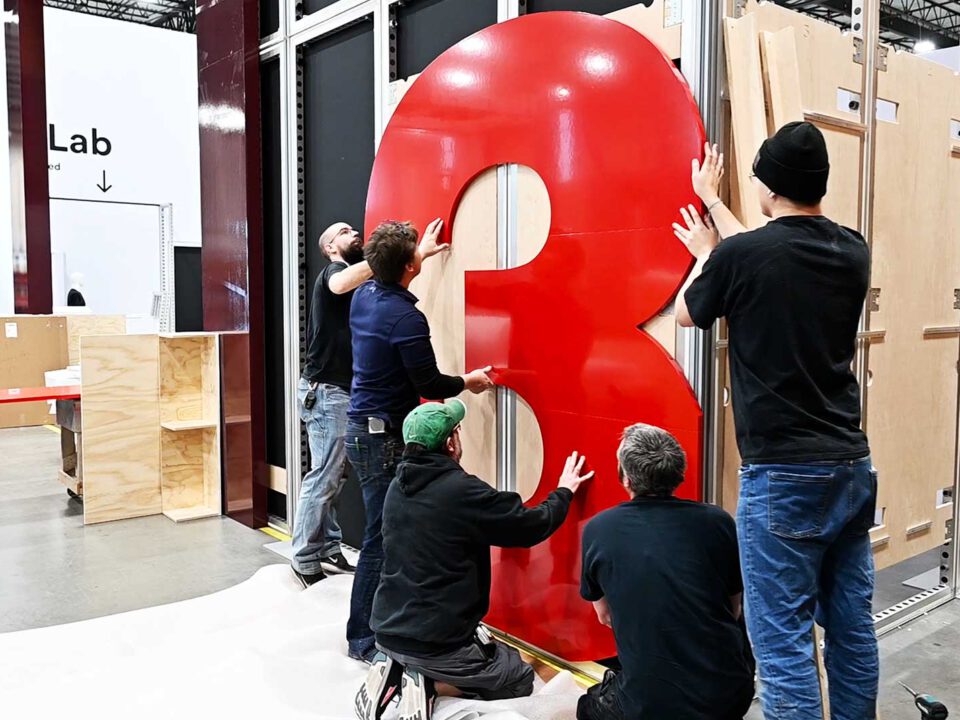
Once production engineering is sufficiently complete, materials are available, and work has been properly released, physical production begins. Builders, CNC operators, metal fabricators, graphics teams and other specialists may be producing different elements of the exhibit simultaneously. Precision matters – structural components need to align, connections need to work consistently, doors and moving components need to function, finishes need to match, graphics need to fit correctly, and technology needs to be integrated properly. Clear documentation and disciplined production processes help protect quality while making execution more predictable and repeatable. - Quality control + preassembly
For complex custom exhibits, preassembly and quality control provide an important opportunity to verify structural and graphic fit and finish, functionality, product displays, assembly sequence and overall design intent before shipment. The level of preassembly should be based on the complexity and risk of the project but, whenever practical, testing in a controlled environment is ideal as it also helps identify opportunities to simplify installation, reduce onsite labor and prevent rework, with quality checks built into the process from engineering through fabrication, packing and shipment. Quality should not be viewed as a final inspection at the end of production. It should be built into the process from engineering through fabrication, preassembly, packing, and shipment. - Make ready to ship, packing and preparation for installation
Finishing fabrication isn’t the end of the process. The exhibit still needs to arrive complete, protected, organized and ready for efficient installation. Production, Graphics Production, Warehouse and onsite teams work together to confirm availability, pick, prepare, quality check, stage, pack, protect, label and organize exhibit components for installation. Custom crating and thoughtful packing protect assets while accounting for setup sequence, helping crews find what they need quickly and ensuring the right items arrive in the right condition, at the right place, ready for efficient installation. In other words, warehouse execution isn’t simply about getting everything onto the truck. It’s about making sure the right items, in the right condition, arrive at the right place and are organized for how they’ll actually be used.
Why does production engineering matter in exhibit fabrication?
Production engineering is the bridge between a creative idea and a successful physical experience. A well-engineered exhibit doesn’t just consider whether something can be built. It considers how the exhibit will perform throughout its lifecycle:
- Can it be fabricated efficiently?
- Will it remain structurally sound?
- Can it be assembled consistently?
- Can it be packed and transported effectively?
- Will it be installed efficiently?
- Can it withstand repeated shipping, handling, installation, and dismantling?
- Can components be repaired or replaced?
- Can the exhibit adapt to future needs?
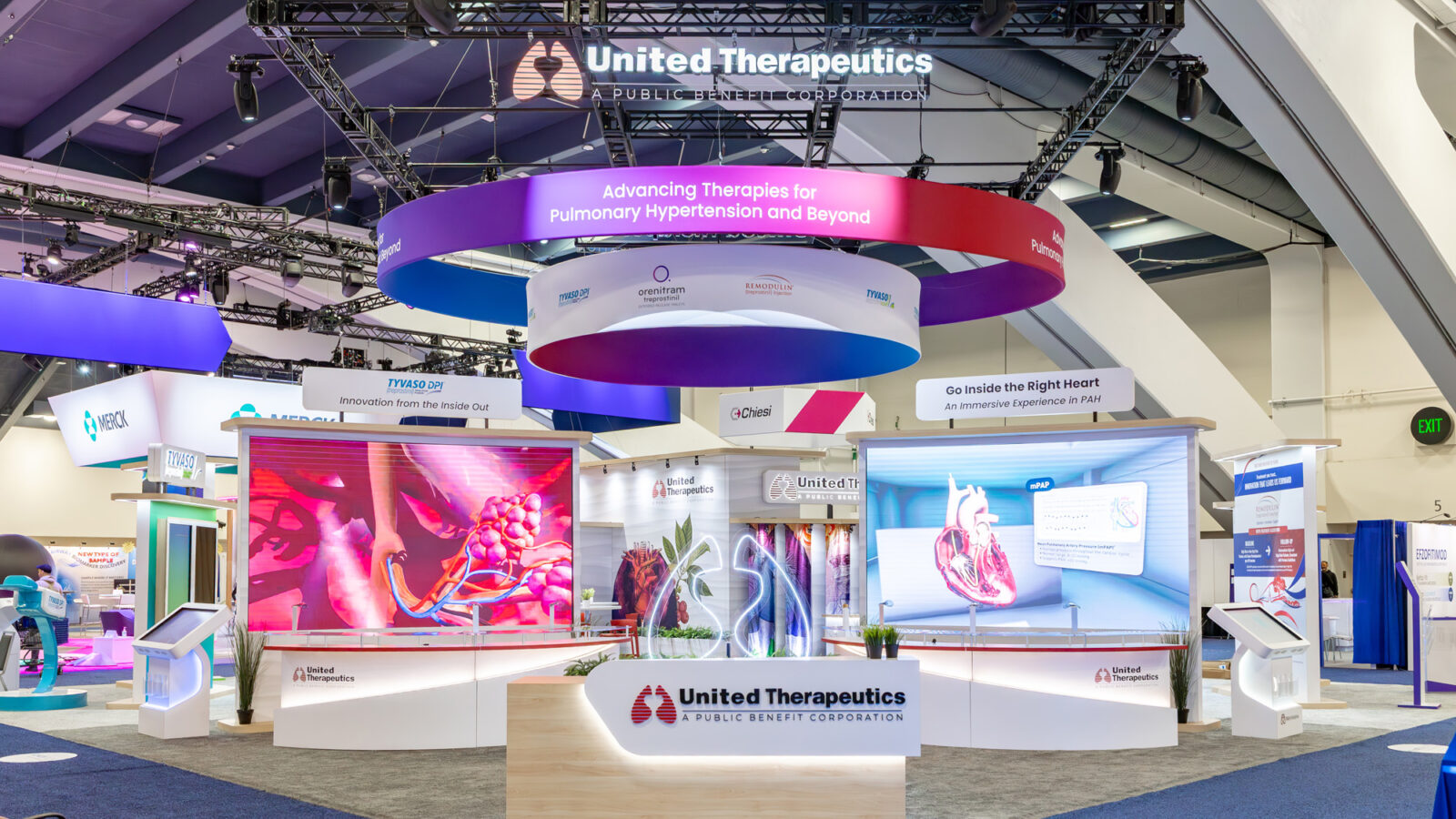
At STAR, production engineering also includes control drawings and reviews with Creative. When a conflict is identified, the objective is to address it before fabrication moves forward. The goal is straightforward: the exhibit on the show floor should deliver on what the client approved in the rendering while also performing the way it was intended.
How does fabrication quality affect the lifespan of an exhibit?
Custom exhibits take a beating. They’re assembled, dismantled, packed into crates, transported, handled by multiple labor crews and rebuilt repeatedly. Construction methods, structural stability, materials, finishes, connection methods, and packing all affect how well an exhibit performs through that cycle. We’ve had clients use STAR-built exhibit assets for many years. Many have been in use for nearly 20 years (with an occasional refresh to keep up with current trends). Not every exhibit needs to last that long.
It needs to be built appropriately for its intended use.
The same thinking applies to cost. Fabrication decisions don’t only affect the initial build price. They can influence:
- Freight
- Drayage
- Installation and dismantle labor
- Material handling
- Storage
- Repairs
- Refurbishment
- Replacement
- Future reconfiguration
A lighter component may reduce freight and material-handling costs. A better connection method may reduce installation labor. A more durable component may cost more initially but perform reliably across many events.
For companies with significant event programs, total lifecycle cost can matter much more than the initial fabrication price.
Custom vs. modular vs. hybrid exhibit fabrication
Not every exhibit needs to be fabricated entirely from scratch. There are three broad approaches.
| Approach | What it is | Best suited for |
|---|---|---|
| Custom fabrication | Components created specifically for a brand or experience | Distinctive architecture, specialized displays and highly customized environments |
| Modular exhibit systems | Standardized components that can be assembled and reconfigured | Changing booth sizes, layouts and programs that prioritize flexibility |
| Hybrid exhibits | A combination of custom and modular or rental elements | Programs that need both brand distinction and flexibility |
For many event programs, the best solution isn’t choosing custom or modular. It’s determining where custom fabrication creates the greatest value and where reusable, modular or rental assets can make the overall program more flexible, scalable, and cost-effective.
What should you look for in an exhibit fabrication partner?
When evaluating exhibit fabrication companies, look beyond photos of finished booths. Ask how the company gets from the rendering to the show floor—and what happens after the show.
Key questions include:
- Does the company have dedicated production engineering expertise?
- Which fabrication capabilities are performed in-house?
- How are projects handed off from Creative into Production Engineering and Production?
- How do Creative, Production Engineering, and Fabrication teams work together?
- How is design intent maintained throughout the process?
- How are changes controlled and communicated?
- What quality-control processes occur during production and before shipment?
- Are complex exhibits preassembled or tested before the event?
- Does the company understand logistics, drayage and I&D implications?
- Can it integrate AV, lighting and interactive technology?
- Does it have experience building exhibits for repeated use?
- Can it combine custom, modular and rental assets when appropriate?
- How are assets packed, labeled and prepared for installation?
- How are inventory and exhibit assets managed between events?
- What happens when an exhibit returns from a show?
- How does the company support the exhibit throughout its lifecycle?
In-house capabilities can provide greater control over quality, coordination and timelines. At STAR, we manufacture many exhibit components and graphics internally, which allows our teams to communicate quickly and make adjustments without coordinating every change across separate vendors. But “in-house” isn’t the only thing that matters. Look for a partner with the people, processes, systems and capabilities to consistently deliver what was promised.
From concept to show floor, and back
Exhibit fabrication is where creative vision meets production engineering, materials, and craftsmanship. Successful execution requires more than any one of those disciplines. It requires clear handoffs, accurate information, defined ownership, disciplined processes, and quality controls throughout the project.
Every decision made upstream has the potential to affect the teams downstream. A design decision can affect engineering, an engineering decision can affect fabrication, and so on. And decisions made throughout that process can affect the cost and performance of the exhibit for years. That’s why we look at the exhibit as a lifecycle rather than simply a build.
STAR brings creative design, Production Engineering, fabrication, graphics production, warehousing and logistics, and onsite expertise together to create custom trade show exhibits built for the realities of the show floor and for the events that come after it. When the process works correctly, quality, accuracy, and efficiency aren’t competing priorities. They reinforce one another.
Planning a new custom exhibit? Explore STAR’s exhibit fabrication capabilities or talk with our team about your next project.