


Virtual events had their moment, and now budgets have shifted back to in-person events, with trade shows and live gatherings even more important than before to create engagement with audiences. Brands are working hard to ensure they’re making the most of face-to-face networking, in-person sales, and high visibility opportunities.
Yet with a number of trade shows on the roster and a host of KPIs tied to show performance, it’s important to be strategic with trade show budgets. Here’s a closer look at eight trends and strategies marketers and event planners are using to make the most of their budgets in 2024.
Prioritize high-impact elements
While budgets for live events vary and include many components, certain areas of your event budget are more high-impact than others. Booth design, venue location, and supplemental marketing activities can all help your brand stand out.
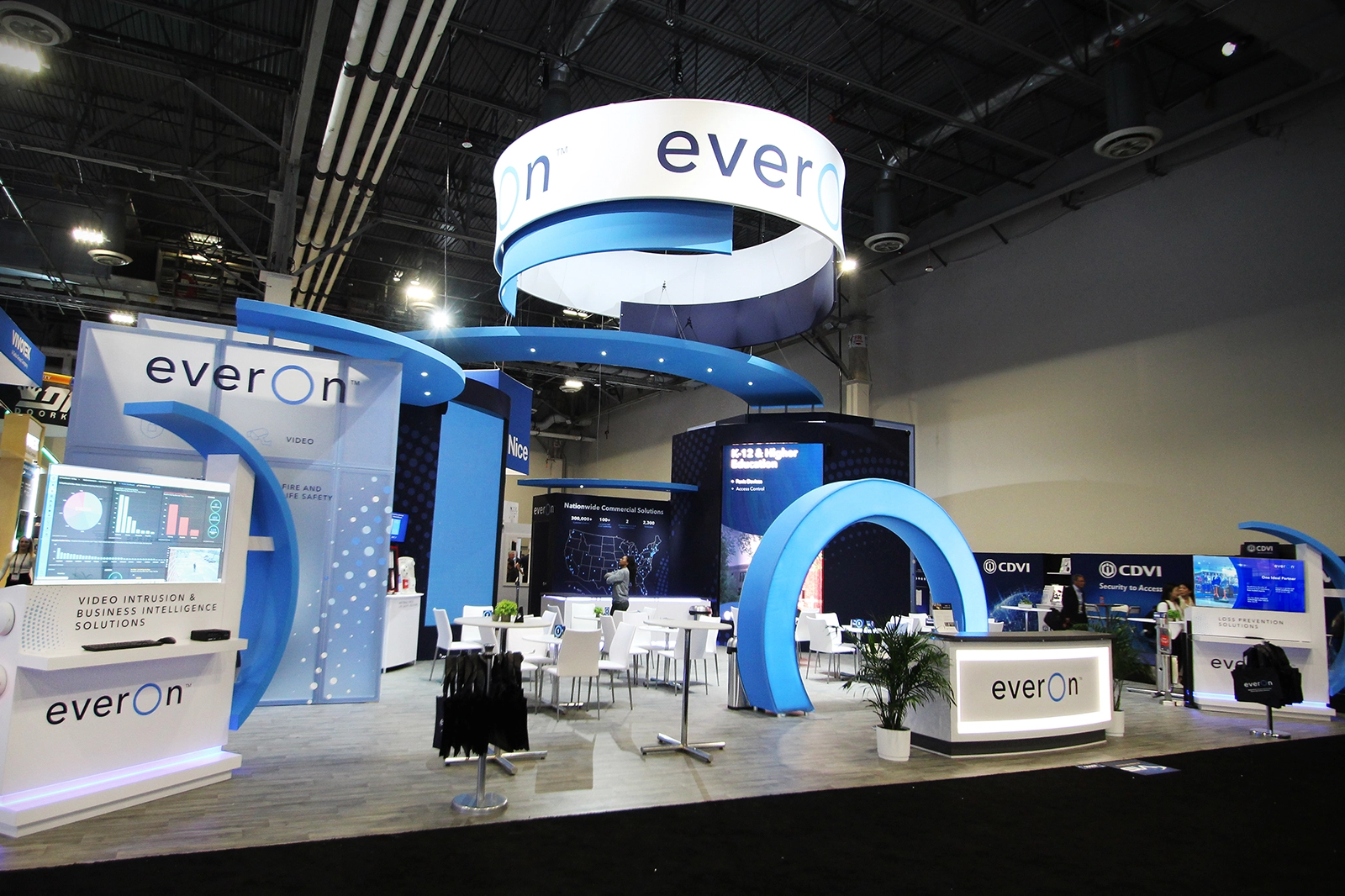
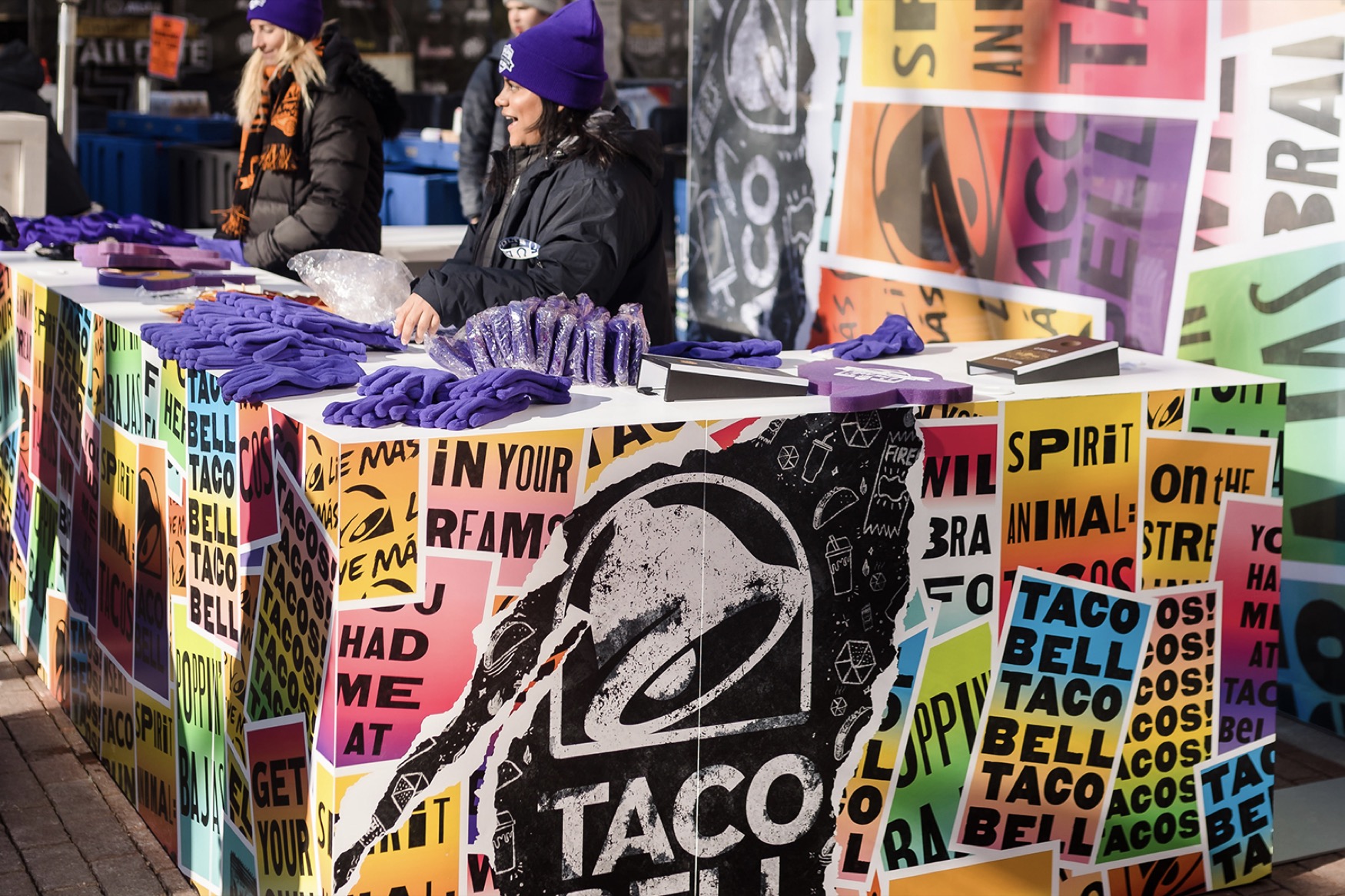
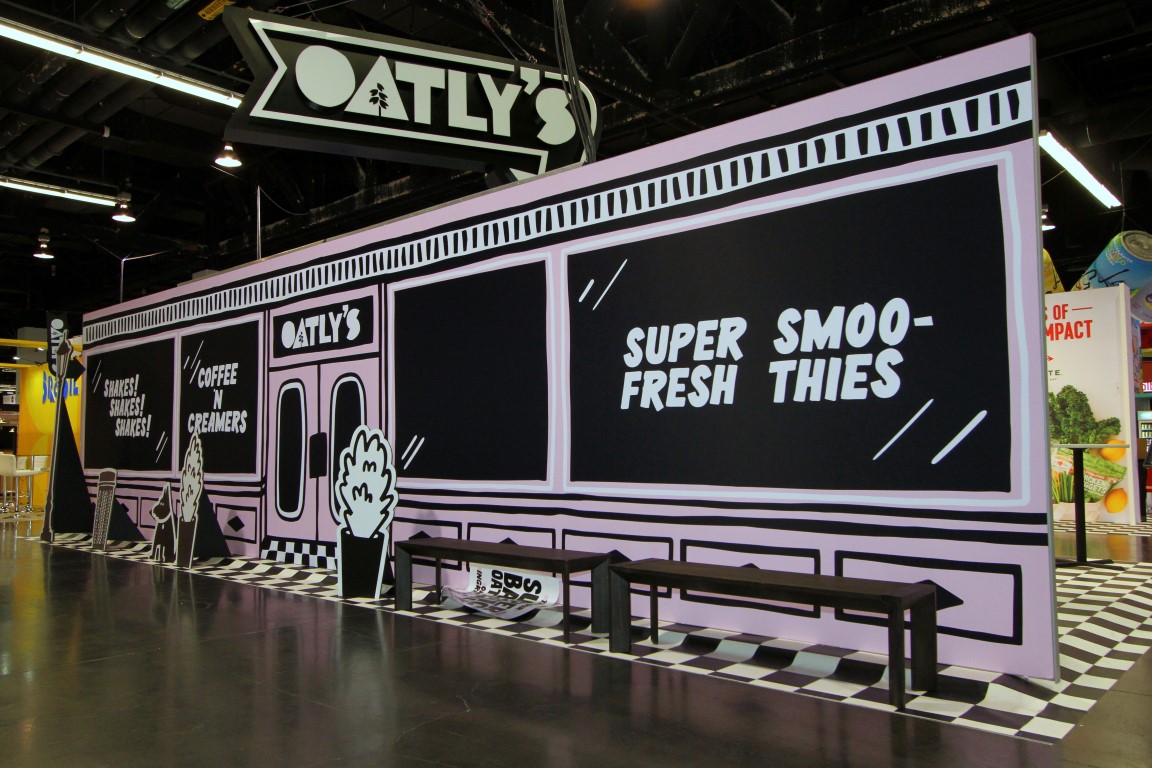
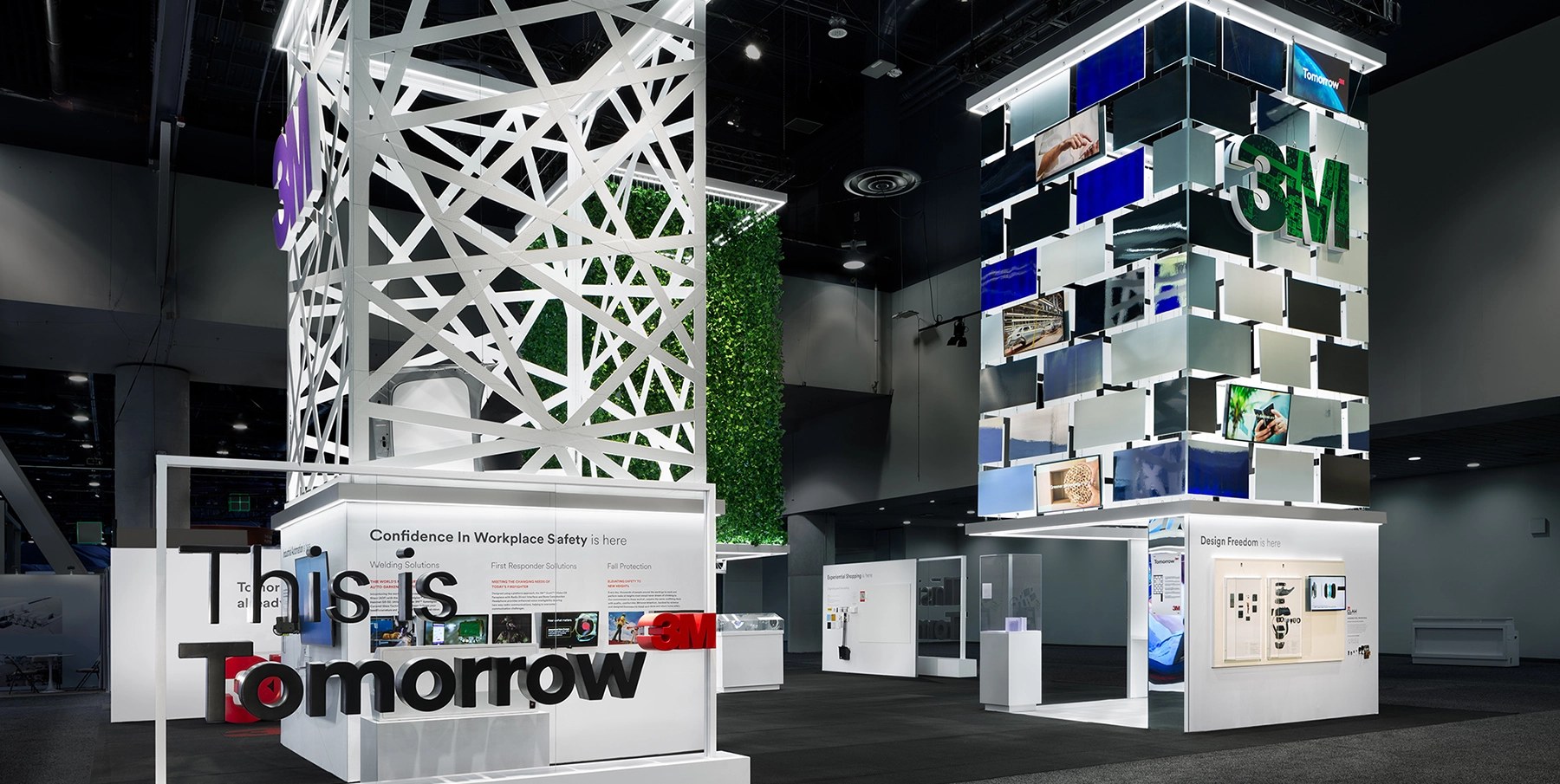
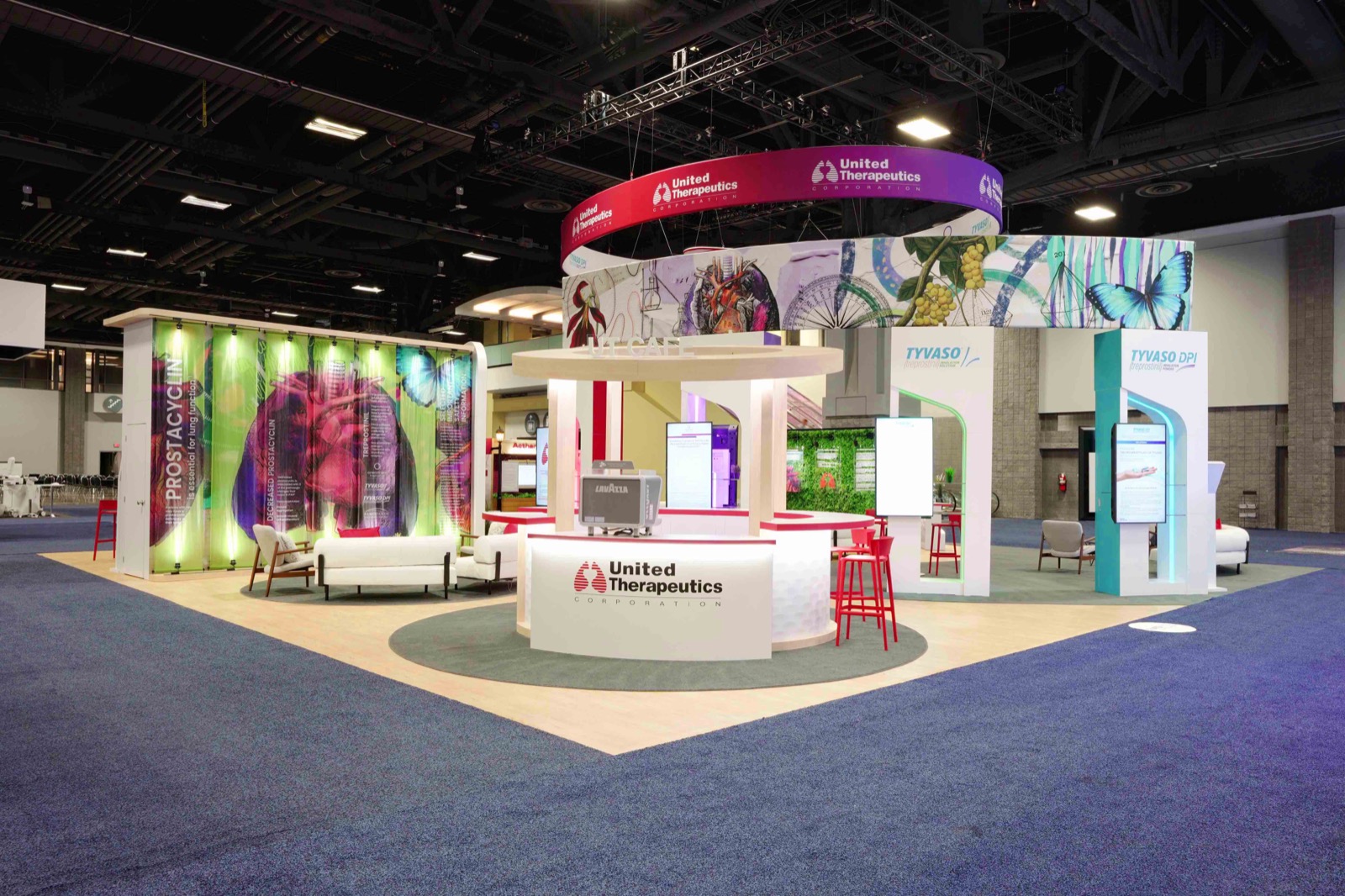
In a sea of prospective buyers and brands competing for their attention, invest in a booth design and creative elements that demand attention and drive engagement. Bold colors, an open and inviting design, dynamic digital content, and creative that your prospects can’t look away from without stopping help you maximize the return on your investment.
Leverage speaker opportunities and sponsorships
Often, there are low-cost or no-cost opportunities that can raise your visibility at an event. Contributing a keynote speaker or panel participants or offering an on-schedule product demo can help fill out an event’s lineup while getting your team in front of more people.
Using part of your trade show budget to sponsor the event or a luncheon, networking, or after hours event can get your name out in announcements, as well as the event program, website, and signage to let more people know you’re on-site.
Consider training your team and leveraging any in-print or digital space you’re given to always remind event attendees to visit your exhibit or go to a digital landing page to share their information.
Incorporate digital integration
Technology can significantly shift the economics of a trade show booth setup. Digital signage can reduce the cost of updating creative, eliminate printing costs, and improve sustainability. QR codes are a re-emerging trend, providing another way to distribute collateral and literature without printing.
Virtual reality and augmented reality can give prospective buyers an immersive experience with your technology and products while eliminating the need to pay for more booth space.Dynamic projections onto elements of the booth can help grab the attention of passersby and pull them into an experience, allowing a smaller on-site team to get more done. Touch screens can serve up information, answer basic questions, and collect lead data for strategic post-event follow-up.
By leveraging technology, you can upgrade your event experience and expand your data collection while keeping your trade show budget in check.
Cut costs with full-service support
Reducing stress and reducing expenses can sometimes seem counterintuitive as goals. However, if you’re relying on your team to fly out to events early or stay late to break down exhibit, a full-service partner may help you reduce both your employee workload and your trade show budget.
Whether you’re renting a booth, working with the venue, or choosing a-la-carte services from a provider, partner companies can help you manage the creative production, shipping, set up, take down, and clean up after an event. Leaving these activities to the experts can get your team in the field following up with leads and prepping for future events faster than ever before.
Explore budget flexibility with rentals
Building or redesigning a exhibit can be expensive, and transporting a booth to a show location can be a significant drain on your budget. Increase budget flexibility – and corporate sustainability initiatives – by exploring booth rentals when appropriate. Trade show booth rentals give you the flexibility to select a exhibit that’s right for the needs of a specific show and eliminate the need to coordinate the shipping and setup of your own booth, while also saving materials.
Leveraging booth rentals as part of your overall exhibit portfolio also gives you the flexibility to scale up or down to meet the needs of a specific event without breaking the trade show budget. Booth rental often includes support services such as booth mailing or transport, setup, and takedown, which can also help reduce overall cost and workload and decrease the time you need to pay for your staff to be on-site at events.
Embrace hybrid events
While in-person events are heating up, many attendees enjoy the flexibility of virtual events. As a result, many major trade shows are including virtual tracks in addition to opportunities to connect on the show floor. Taking part in hybrid events allows you to connect with a wider range of potential buyers.
Complement your physical exhibit design with comparable digital creative. Branded webinars, event-specific landing pages, a chat app that allows virtual attendees to meet with members of your team, and virtual demos can vastly expand your reach at an event while leveraging infrastructure you already have or digital assets that aren’t cost-prohibitive to create.
Shift your strategy to sustainability
Sustainability is an increasingly critical focus for brands. This shift is translating to adjustments in the way many companies approach marketing and events, and introducing sustainable strategies can open the door for cost savings along the way as well. For example, embracing energy-efficient digital signage can help cut down on waste. Over time, this can reduce spending on printing and signage. Instead, brands can invest in creative that really pops while reducing both waste and expenses.
Design your space to maximize follow-up
Ultimately, your trade show ROI is just as important as the line items on your budget. To make the most of the funds you’re investing, develop a clear plan for how you’re going to engage prospects and capture their information — and then have a plan to jump into action with continuing the conversations.
Increasingly, there’s a trend toward more open exhibit designs featuring space that invites serious prospects to spend more time engaging with your environment and connecting with your on-site staff. Make the most of these moment together to lay the foundation for a strong relationship.
Incorporate multiple strategies into your design to capture information. Digital screens allow interested guests who are in a rush or visiting the exhibit when your team isn’t available to leave their information. Design both your exhibit and your post-show process to collect as much information as possible to follow up with and close potential deals.
Final thoughts
As in-person events come roaring back, marketers and event teams find themselves exploring new ways to stretch trade show budgets. By laser focusing your budget on a few key elements, it’s possible to maximize the return on your investment and ensure that every dollar spent is high-impact. As a bonus, these money saving tactics often lead to improvements in sustainability efforts as well – turning the dated view that sustainability is expensive on its head.
It all starts with good budgeting and common sense, but leaning into the trends outlined above gives you a greater opportunity to put every dollar to work behind your most critical corporate and event goals.
Read more about companies are bringing their brands to life across in-person experiences, from tradeshows and events to retail spaces and corporate offices in the 2024 Trend Report: 6 Marketing Best Practices for In-Person Impact.